My Golden
Milestones
The Manse,
Fordham Road, Soham, Ely, Cambs.
Soham is a
long sprawling town on the edge of the fens. The very flat countryside is not
immediately attractive, but one grows to appreciate it. The soil is black, and
ditches, dykes, and drains take the place of hedges between fields. A piece of
the original fen is preserved at Wickham, under the care of the National Trust.
Some of the land has been reclaimed from the sea. And in places the main rivers
are higher than the surrounding country, so that a burst riverbank is a source
of danger for miles around. There was serious flooding in the fens in the
spring of 1937, when the sluice at Denver was unable to cope with the river
water trying to get out and the high tide trying to get in. But the Soham area was not badly affected. The local occupation is
chiefly agricultural, with farmers growing cereals and sugar beet, and also
finding that the growing of flowers on a commercial basis is quite profitable.
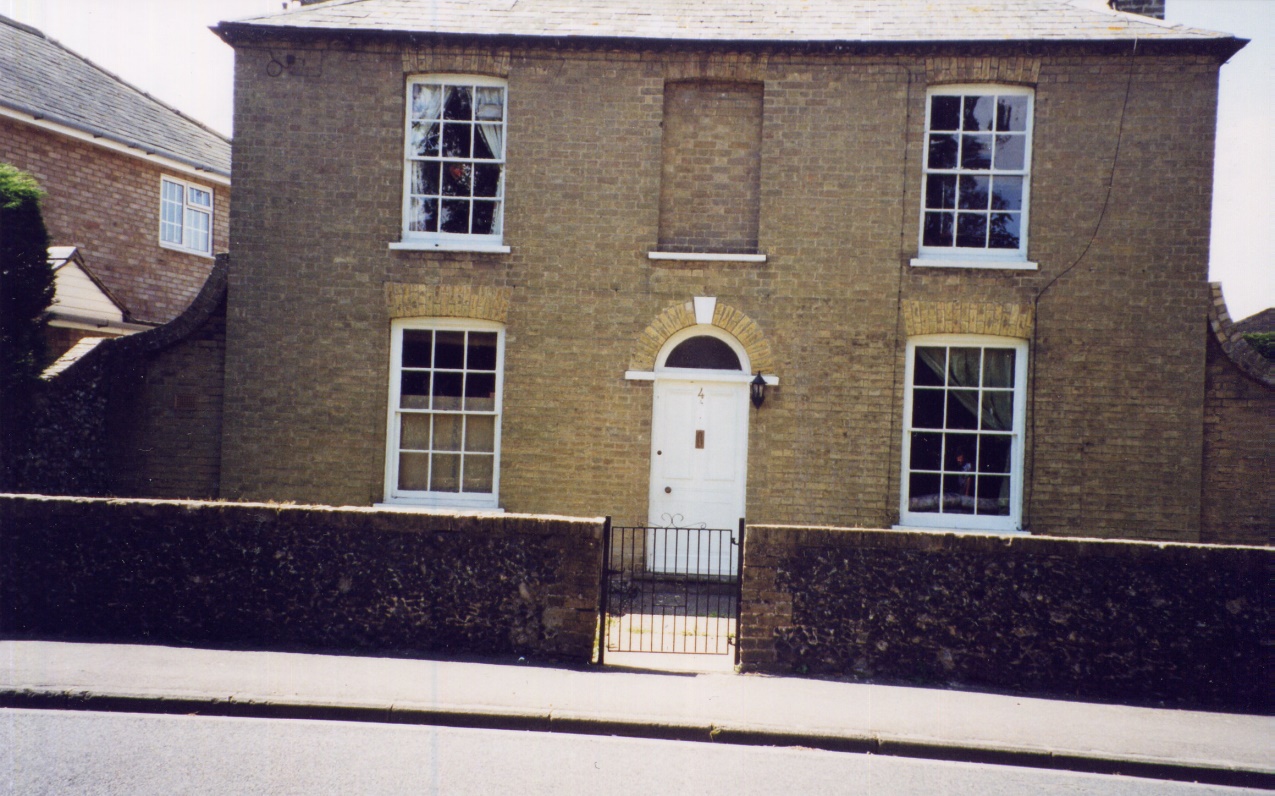
The manse was double-fronted, with a third small
bedroom (over the kitchen) which was later converted into a bathroom. There was
a small garden in the front, and quite a large one at the back, with several
fruit trees and a walnut tree. For about a fortnight I stayed in the homes of
Mr. and Mrs. R. Banyard[1]
and Mr. and Mrs. P. Fish, to enable me to buy some furniture and arrange for a
housekeeper. Mrs Palmer and her daughter Una then came to live with me in the
Manse, and the arrangement seemed to work well.
It is sometimes said that his first church will
either make or break a young minister. The church at Soham
gave me a good foundation. The deacons were all considerably older than me, and
I respected and came to love them. They bore with my inadequacies and
encouraged me greatly. The senior deacon, Mr. Fison,
expected me to spend my Monday afternoons playing chess with him; then after
tea we would go to the “mid-week” service together. The stipend was £160 from the
church, plus £25 from the home mission fund. My ordination was on Sunday, Jan.
31st, 1937 and the recognition service on the following evening[2].
|
|
|
|
|
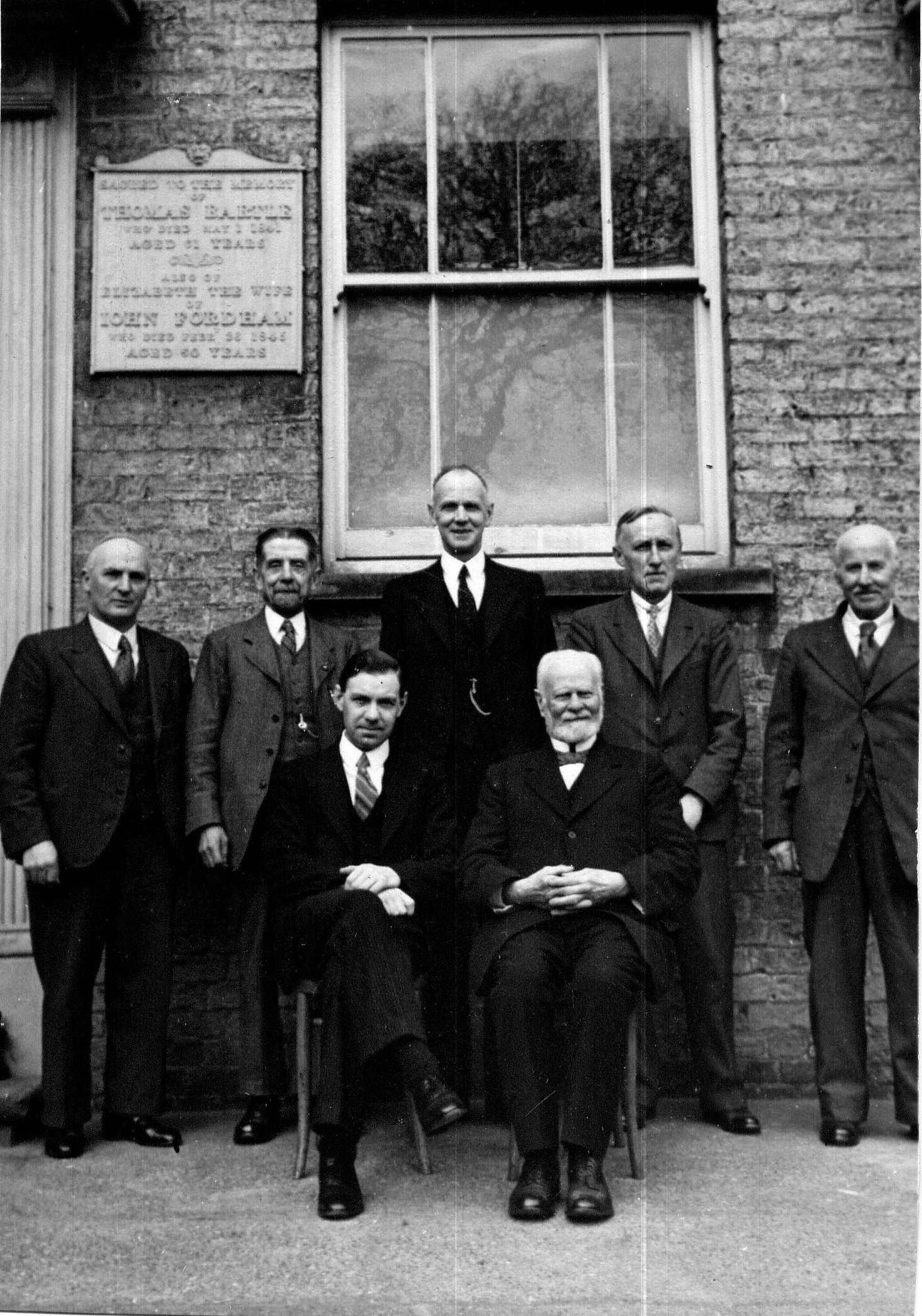
Soham
deacons 1936-7 Mr W C Cook is back left Mr Banyard
2nd from right Mr Fison
is seated right |
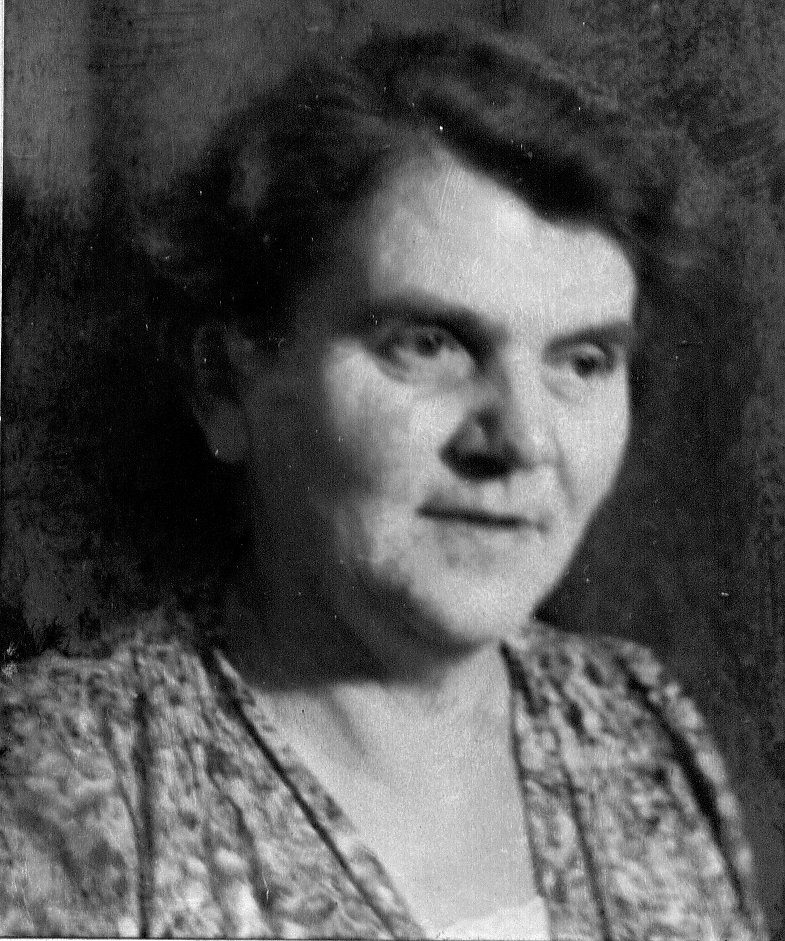
Mrs R Banyard (later, Auntie Clara) |
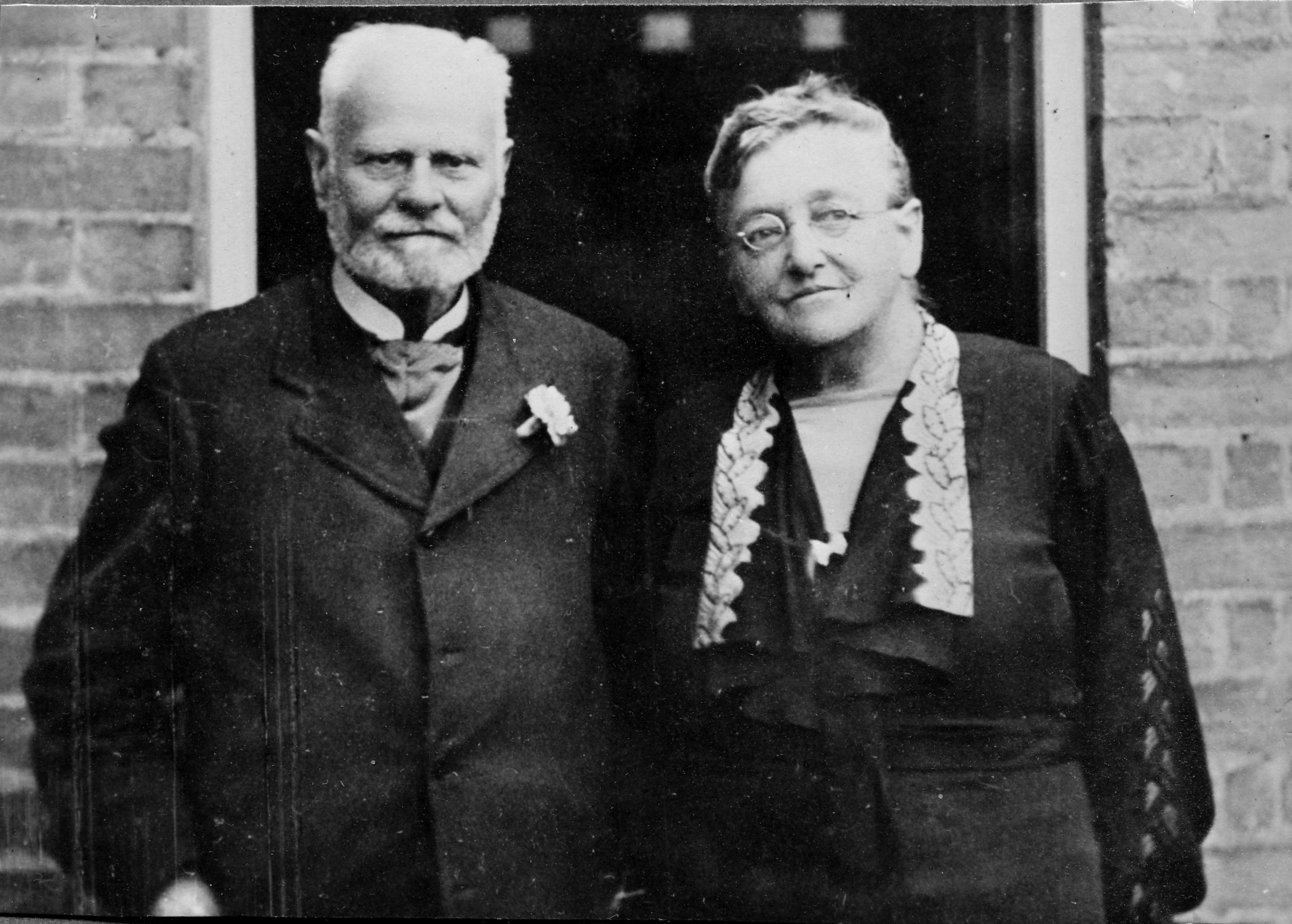
Mr and Mrs C J Fison |
The church was formed in 1752 - the year in which the
calendar was altered, and the cry went up, “give us back our eleven days”. One
of its former pastors was Andrew Fuller, who was a member of the church before
being asked to be its minister. He then went to Kettering, where he was a
collaborator with William Carey in the formation of the Baptist Missionary Society,
and became its first secretary.
The spring of 1937 saw the coronation of King George
VI and Queen Elizabeth on the day (May 12th) originally fixed for the
coronation of Edward VIII. It also brought me an invitation to attend the
Baptist World Youth Congress in Zurich in the summer, expenses paid. The offer
came through Dr. Dunning, who was then in charge of
youth affairs at the Baptist Union. I accepted the offer, bought a camera for
the occasion, and enjoyed the experience. I stayed for the week in the home of
a couple whose son, Emil Hermatschweiler, spoke
English, much to my relief, and through the years we renewed our friendship at
Christmas time, until his death in December, 1986. The following year, 1938, I
attended the Keswick convention, and thought the Lake District as beautiful as
Switzerland, though on a smaller scale.
A probationer minister was, and still is, expected to
follow a course of study during his early years. The purpose is to ensure that
study is not crowded out of his busy life, for he will need it to sustain his
ministry. Various courses are available. In my case, having obtained one
degree, it seemed right to work for another. Not that I was falsely enamoured
of degrees for their own sake, but that to follow a simpler course would not be
sufficiently demanding. So once again I enrolled with Wolsely
Hall for a correspondence course for the Advanced Subjects in Divinity. In the
spring of 1939 the name was changed to Master of Theology. I took the exam in
the summer, staying with a friend in Chelsea, and again was successful.
Then came the Second World
War. Hitler, with his expansionist dreams, invaded Poland on Sept. 1st, our
government having warned him of the consequences. That day saw the evacuation
of thousands of school children and their teachers from the more vulnerable
areas to places of relative safety. Soham was a
reception area for evacuees from London, and we were asked to take a Jewish
schoolteacher, Mr. Sherne[3].
Mr. Banyard, one of our deacons, was responsible for placing
them all, with several volunteer helpers, and for dealing with the problems
that arose. He was also the Council’s rent collector, and for a fortnight I
went around collecting rents from Council house tenants, to relieve him of that
responsibility.
The actual declaration of war came on Sunday, Sept.
3rd. If no satisfactory reply came from Germany by 11am, we should be at war.
So during our morning service the threat became reality. Though we could not
know all the pain and anguish and death that were to follow, there was almost a
sense of relief, after the ominous foreboding that had shadowed the previous
weeks. At least we knew now where we stood. In the evening we held a baptismal
service. While others were enlisting in the service of their country, these
candidates were enlisting in the service of Christ.
One thing that demanded immediate attention was the
blackout. Curtains must be thick, or fitted frames must be put at all windows,
so that not a chink of light showed. Car headlamps, cycle lamps and
streetlights must be masked. Blacking out the church was a problem, and for a
week or two, while steps were being taken to do this, the time of evening
service was advanced from 6:30 to 6pm, to enable us to finish before dark.
As a minister of religion, I was not subject to
call-up for the armed forces. I considered whether I ought to offer as a
chaplain. But I felt insufficiently experienced for such a role, and also felt
that my congregation was likely to need my ministry in the dark days ahead. This
indeed proved to be the case. It was early in the war when H.M.S. “Hood” was
sunk, taking with it the son of one of our members. I was asked to lead a local
committee responsible for raising money to provide Y.M.C.A. canteens for the
use of the forces, and I did this gladly.
A minister and his church secretary need to work in
close harmony. I would call to see Mr. Cook at his printing works, as need
arose during the week; and from time to time he would invite me to tea on
Sunday. In this way I got to know his wife and family, and eventually found
romance with his youngest daughter Phyllis. We seemed to be mutually attracted,
and when we acknowledged this to each other, our friendship blossomed into true
love. Phyllis was more out-going than I had been[4],
and we seemed to complement each other in many ways. She became an ideal
partner, and I owe her more than I can tell, as we shared each other’s life for
the 38 years of our marriage.
|
|
|
|
|
Walter and Phyllis before their
marriage |
Walter and Rosa Cook |
The Cook daughters, Phyllis, Winnie and May (seated) |
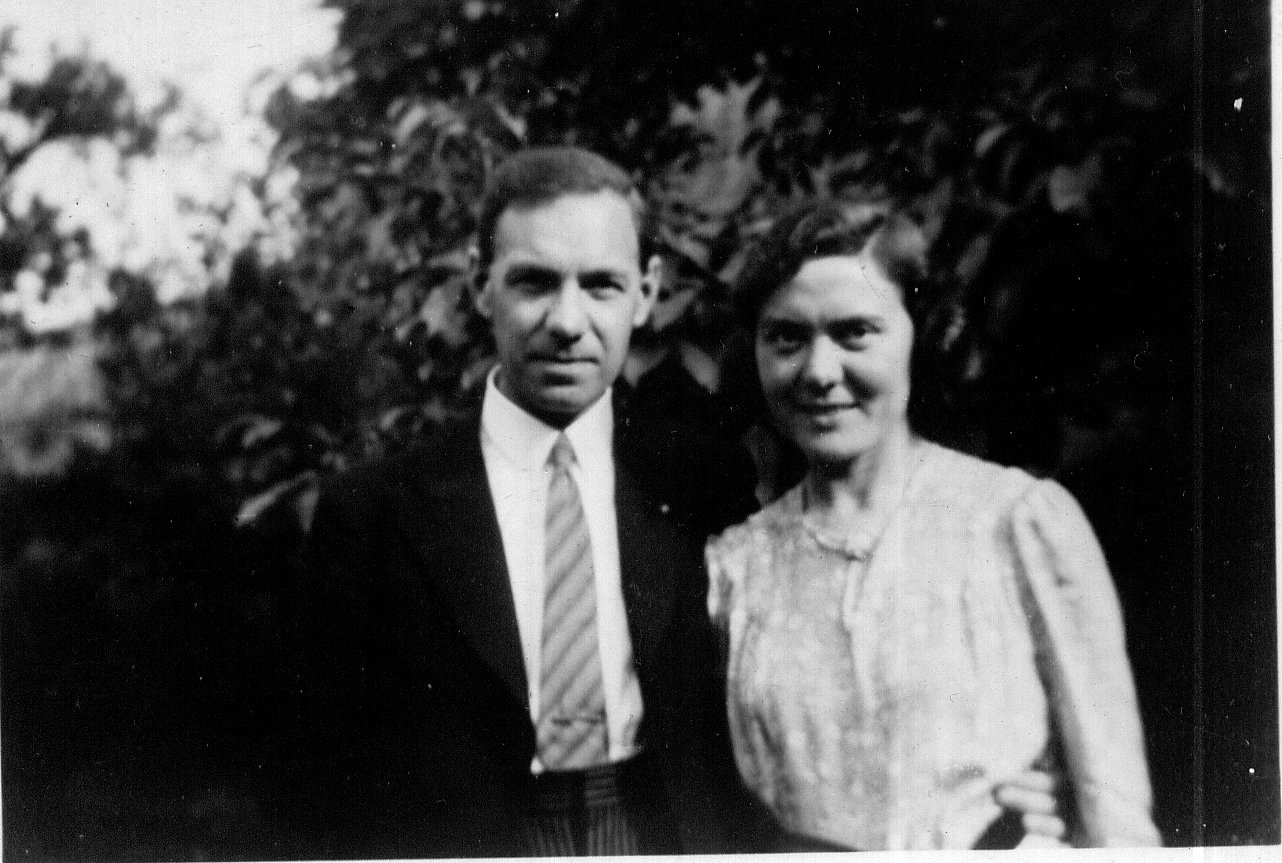
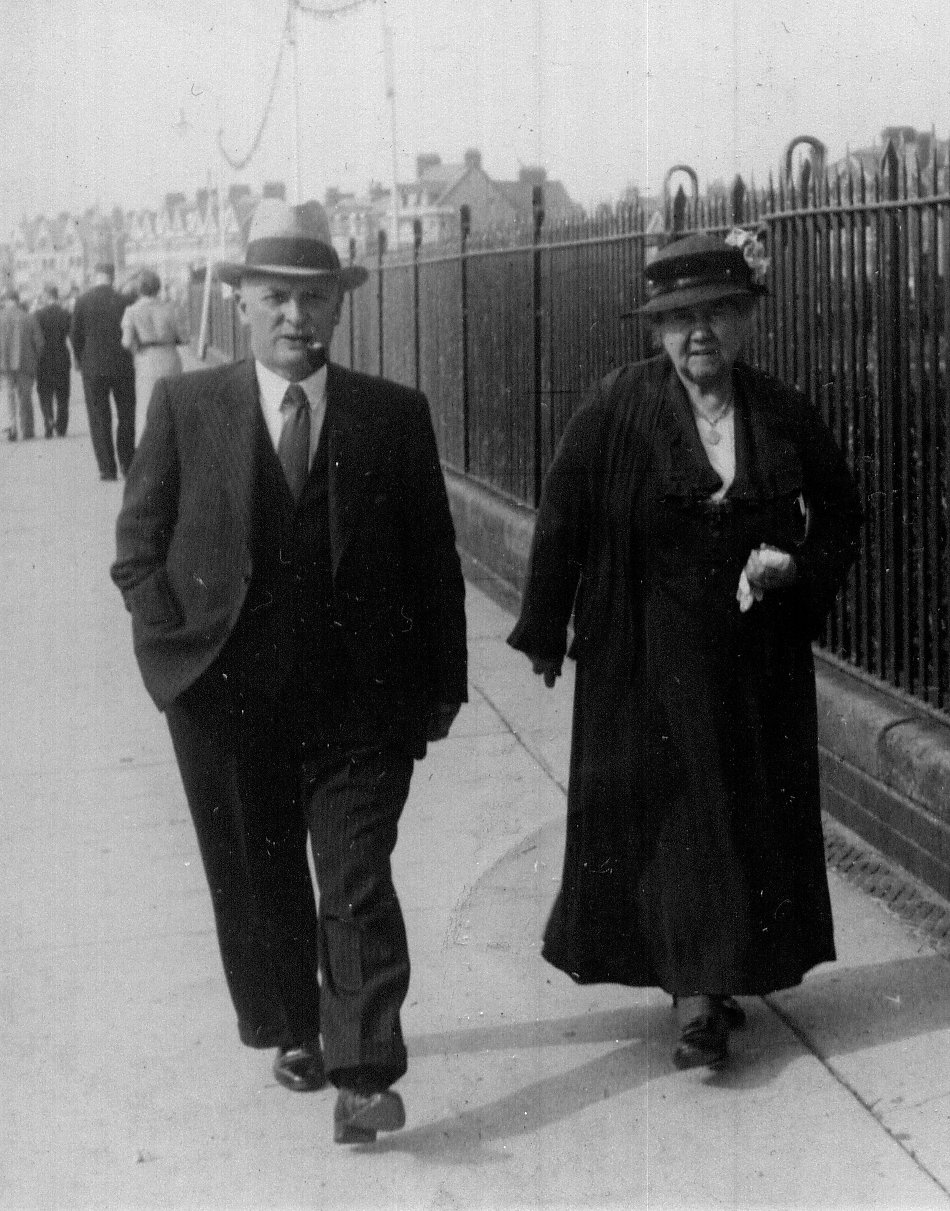
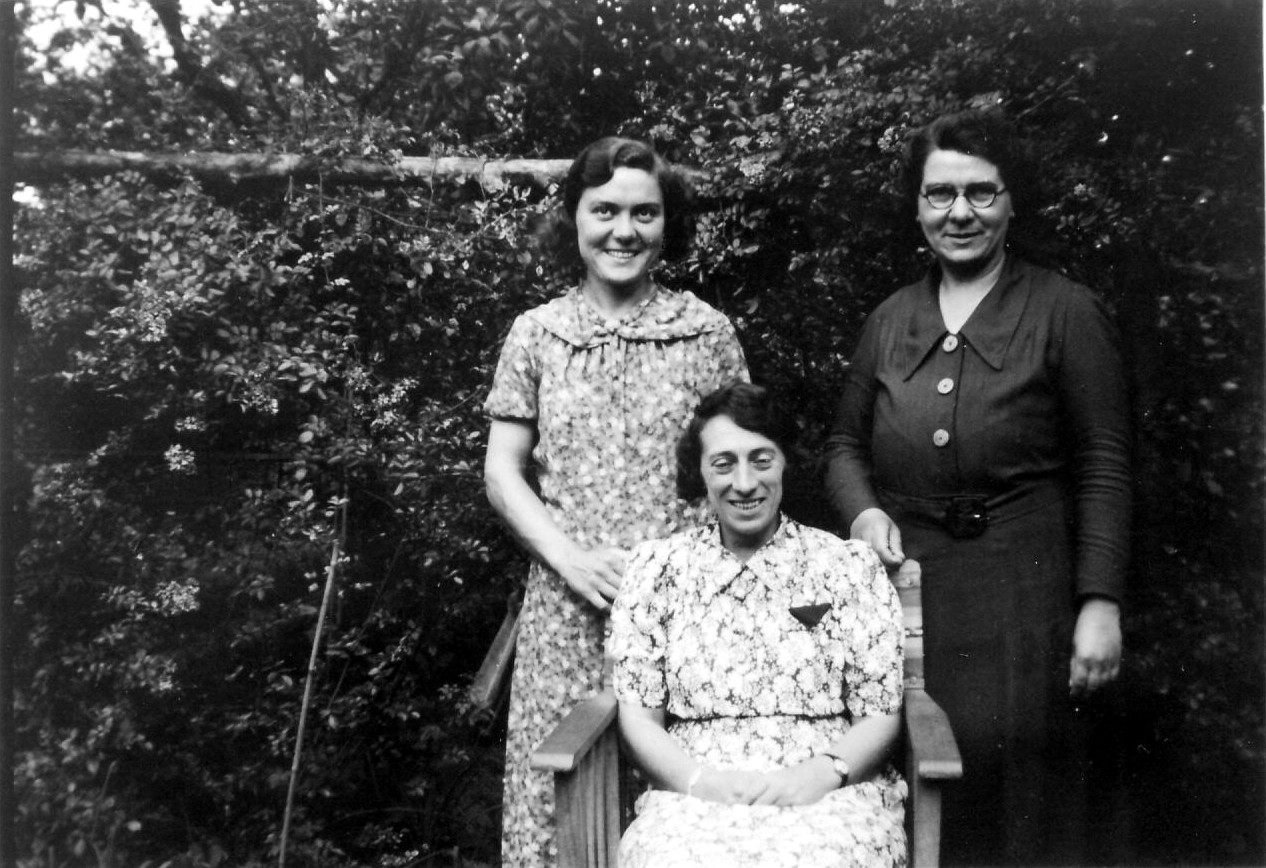
We realised that it might be difficult for her to
become the minister’s wife in the church in which she had grown up, though we
probably underestimated her ability in this respect. It seemed right for me to
seek another pastorate. But when this endeavour did not materialise, we decided
to marry. Our wedding was on Sept. 10th, 1941, and my minister from Stony
Stratford, Rev. L.W.S. Curwood, came to conduct it.
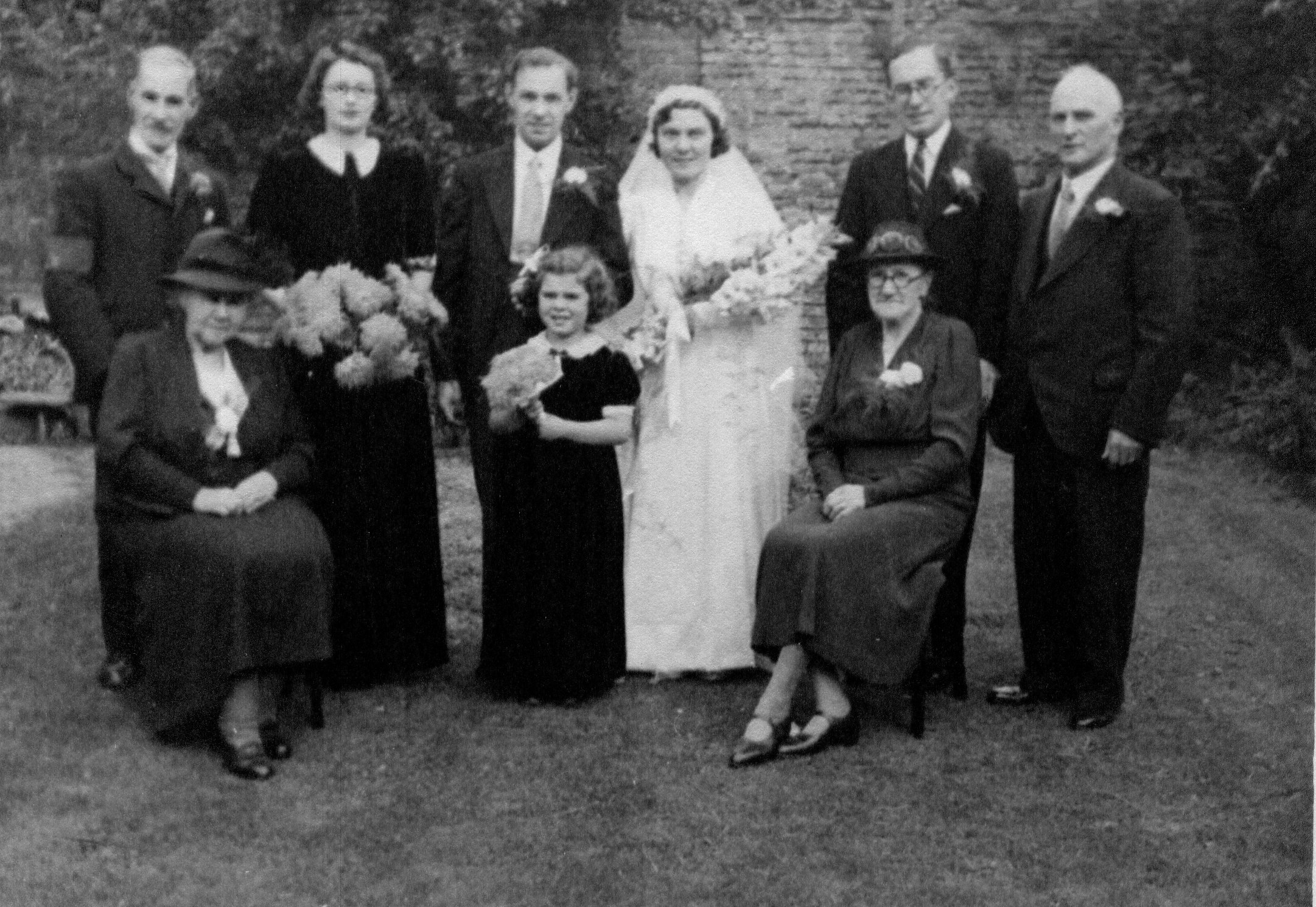
My college friend, Ernest Ford, was best man; Phyllis’s niece Heather, aged 5,
was bridesmaid; and her old school friend Mary[5]
was matron of honour. It was wartime, and there were shortages and restrictions
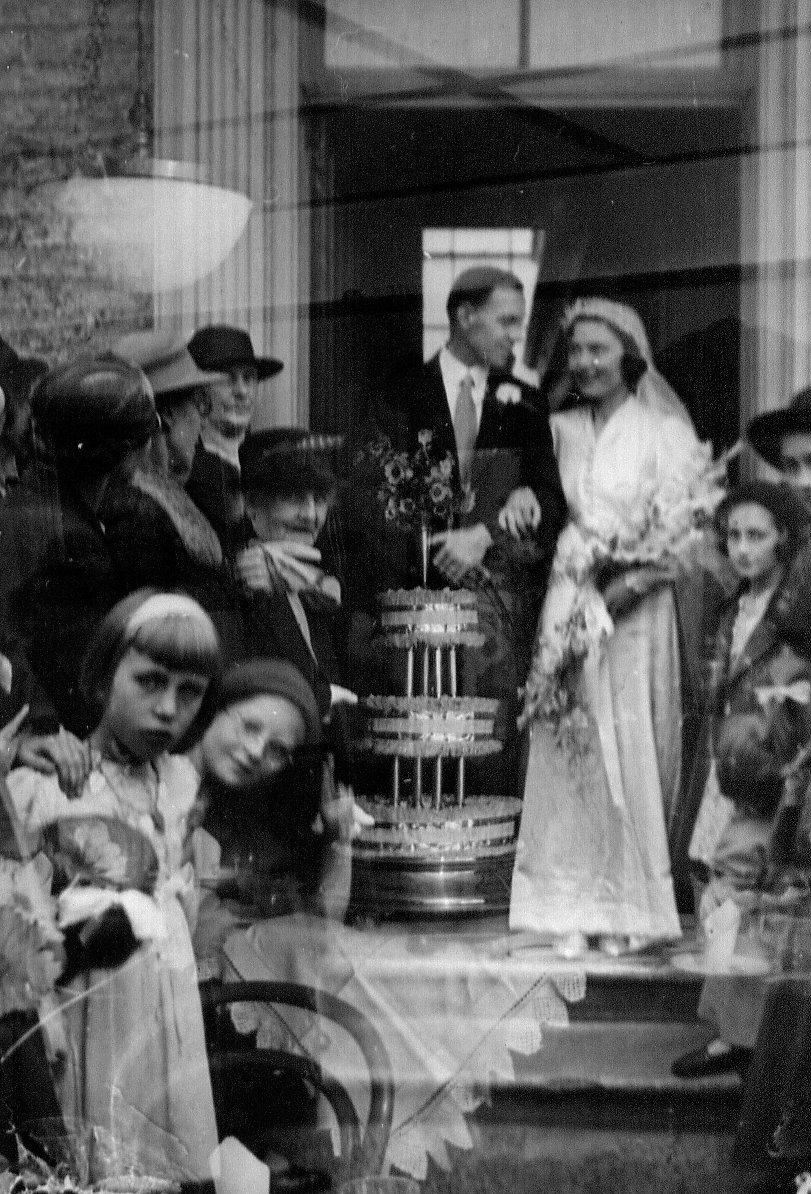
to contend with. Mary lent her wedding dress. Several farmers at Soham Fen, where Phyllis used to deliver papers, gave eggs
and butter for the cake. The reception was held in the upstairs room of a local
cafe, and we had to limit severely the number of guests. Phyllis’s aunt Clara,
who was church organist, took us in her car to Ely station, on the way to our
honeymoon, which was spent at a guesthouse at Whaley Bridge, Cheshire.
|
|
|
|
|
With Heather and Mary Talbot |
With Ernest Ford, Heather and Mary,
and the four parents |
A superimposition of them
leaving the church, with the cake |
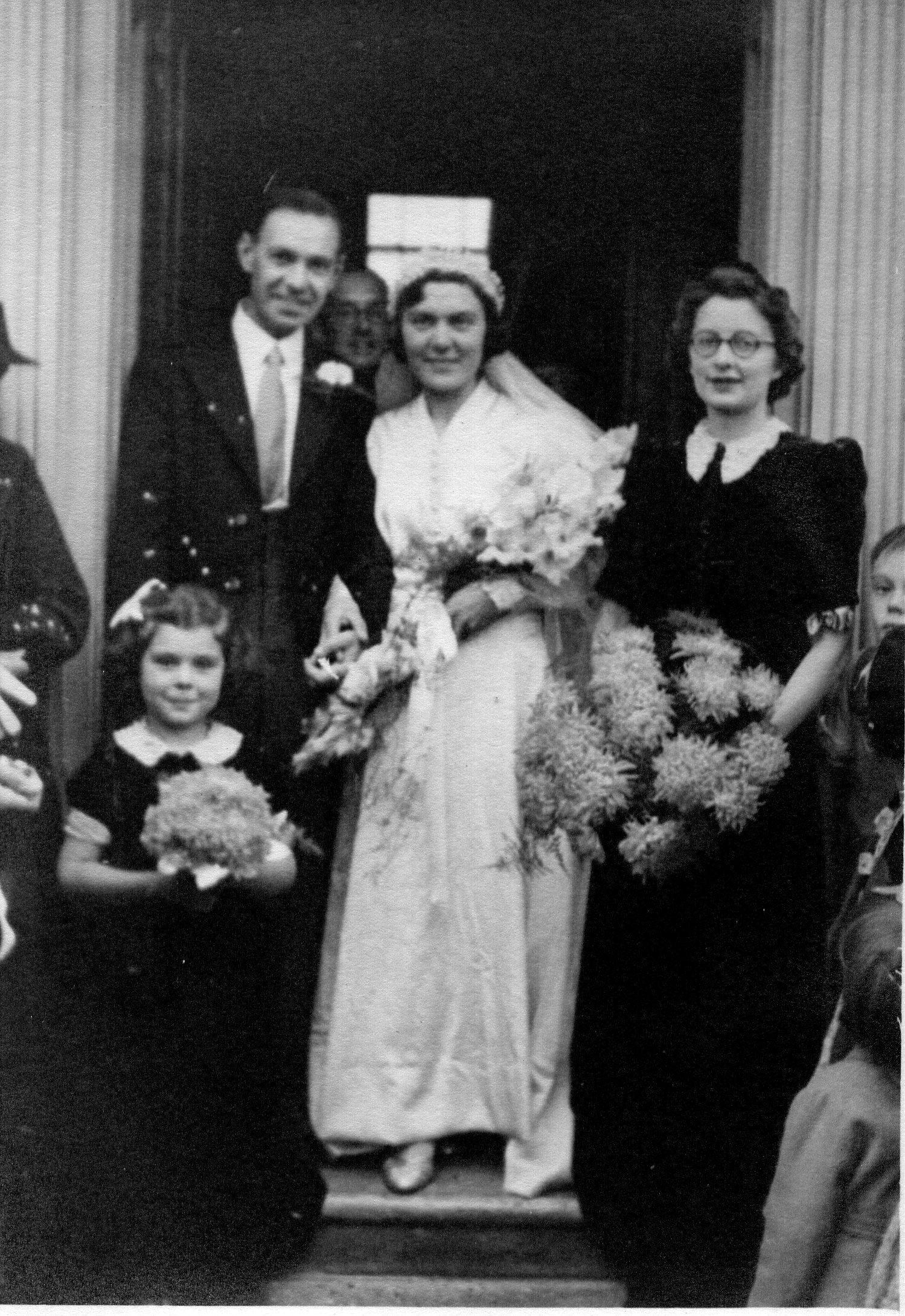
While we were away, my housekeeper Mrs. Palmer
removed from the manse, to live with members of her family. Mr. Sherne had also left by this time, so we were able to set
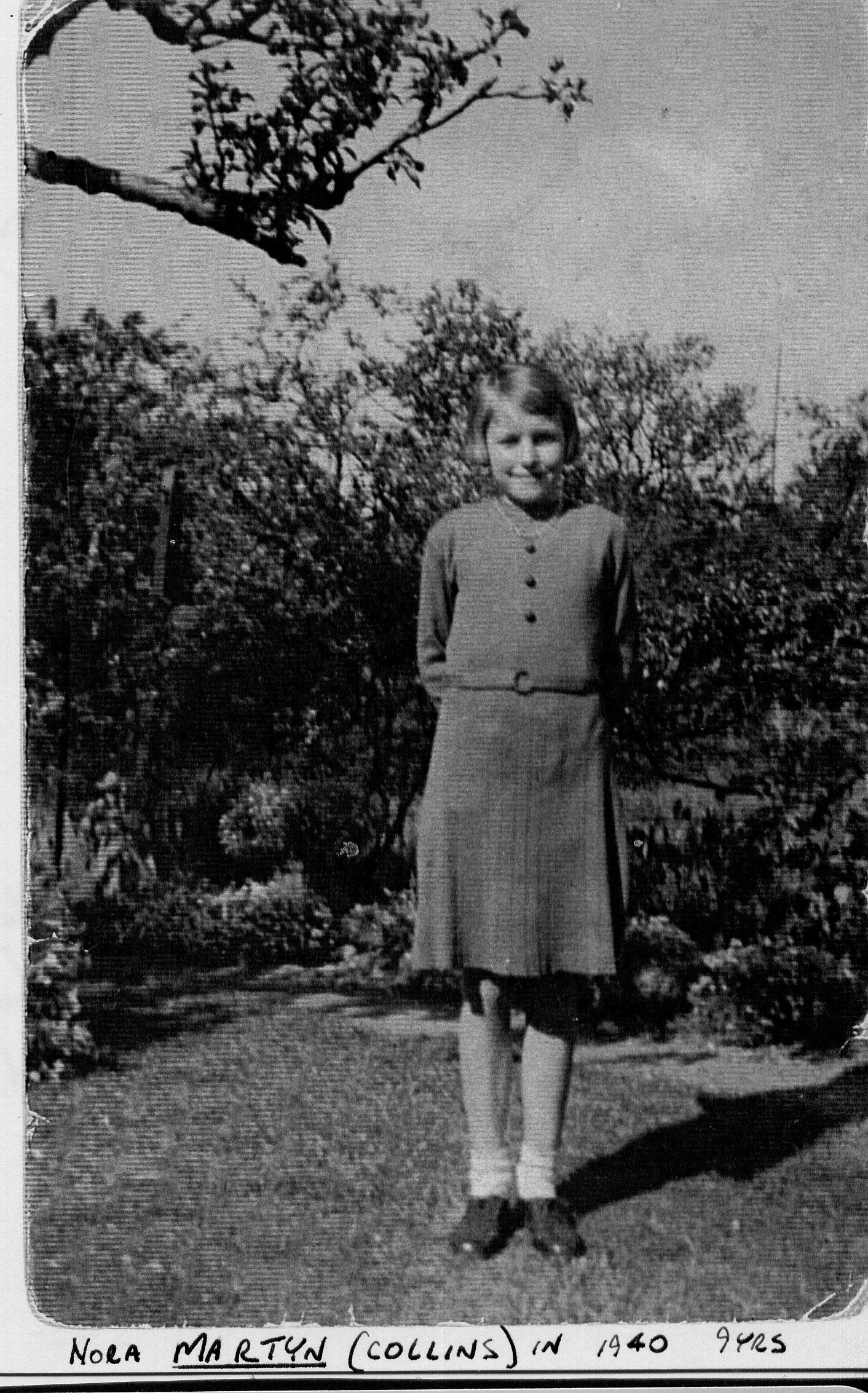
up home on our return. But almost immediately we were asked to accept a
10-year-old evacuee, Nora Collins (pictured).
And since living in Woodley, I learned from a fellow Baptist minister in
Reading, that she is a cousin of his, and is now a grandma, living in
Australia. And I have now received from her a delightful letter, telling of her
vivid memories of the months she spent with us.
 The two
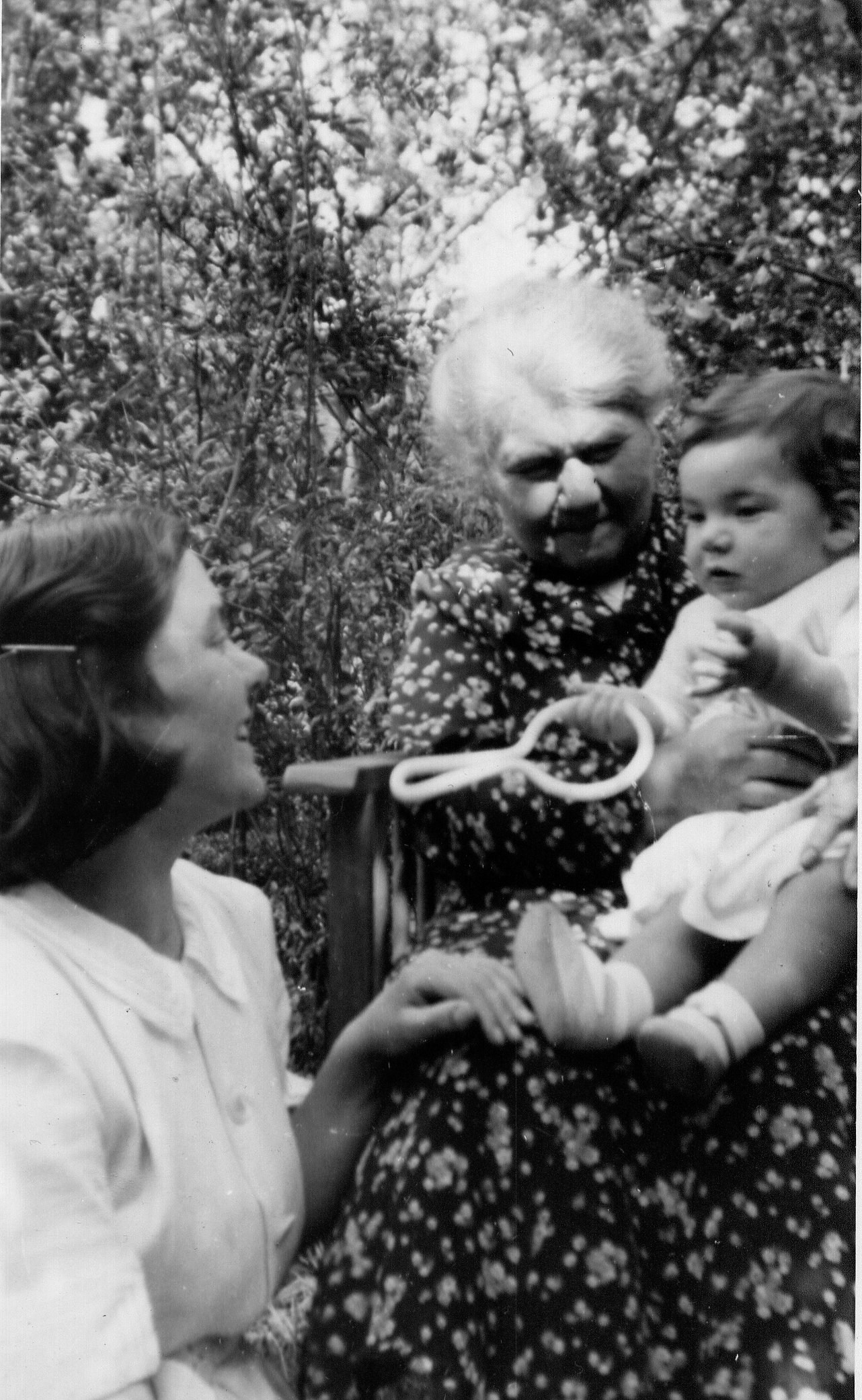
of us became three in 1942, when Bernard was born on Thursday, Nov. 26th. We
had expected that he would be born at the manse, but that morning the district
nurse called and said she had been in contact with a doubtful case, and could
not continue to look after Phyllis. When the doctor was told, he was furious.
He went away, and made arrangements for Phyllis to go into a maternity home at
Newmarket. And it was there that Bernard was born about 8.30 p.m. So now we
were a family, blessed with a son and heir.
The two
of us became three in 1942, when Bernard was born on Thursday, Nov. 26th. We
had expected that he would be born at the manse, but that morning the district
nurse called and said she had been in contact with a doubtful case, and could
not continue to look after Phyllis. When the doctor was told, he was furious.
He went away, and made arrangements for Phyllis to go into a maternity home at
Newmarket. And it was there that Bernard was born about 8.30 p.m. So now we
were a family, blessed with a son and heir.
Meanwhile
I had continued to seek another pastorate, and eventually received an
invitation from Wollaston, near Wellingborough. So my Soham
ministry ended at the close of 1942, and we moved to Wollaston with a
5-week-old baby, to begin the new pastorate with the New Year - 1943.
Click here to continue to the next
“chimney”, or to return to the title page.