My Golden
Milestones
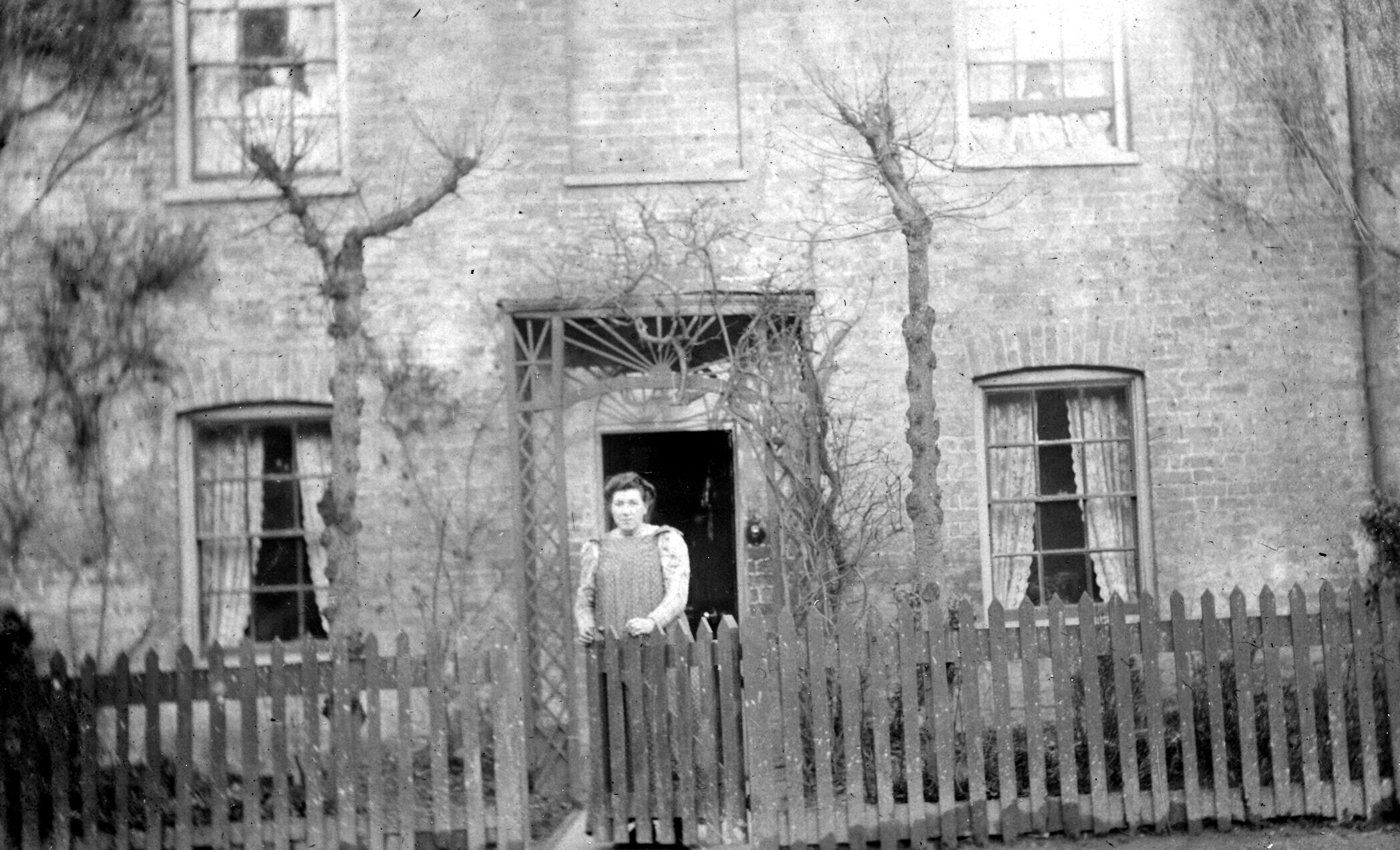
4 Causeway Cottages, East End
Road, East Finchley, London
N.2.
My
first appearance was at the above address, on Wednesday, April 13th, 1910, at
about 8.30am. The house was double fronted, with stairs going up from the front
door; a kitchen at the rear, with outside toilet; a small garden in front, and
a larger one at the back. We used oil lamps downstairs, and candles upstairs,
and there was one gas light, I think in the kitchen. It was a rented house;
home ownership being then far less common than it is today. The house was one
in a terrace of six, which have long since been demolished in the interests of
road widening.
|
|
|
|
|
Photo of Mabel Harris (his mother) outside No 4 |
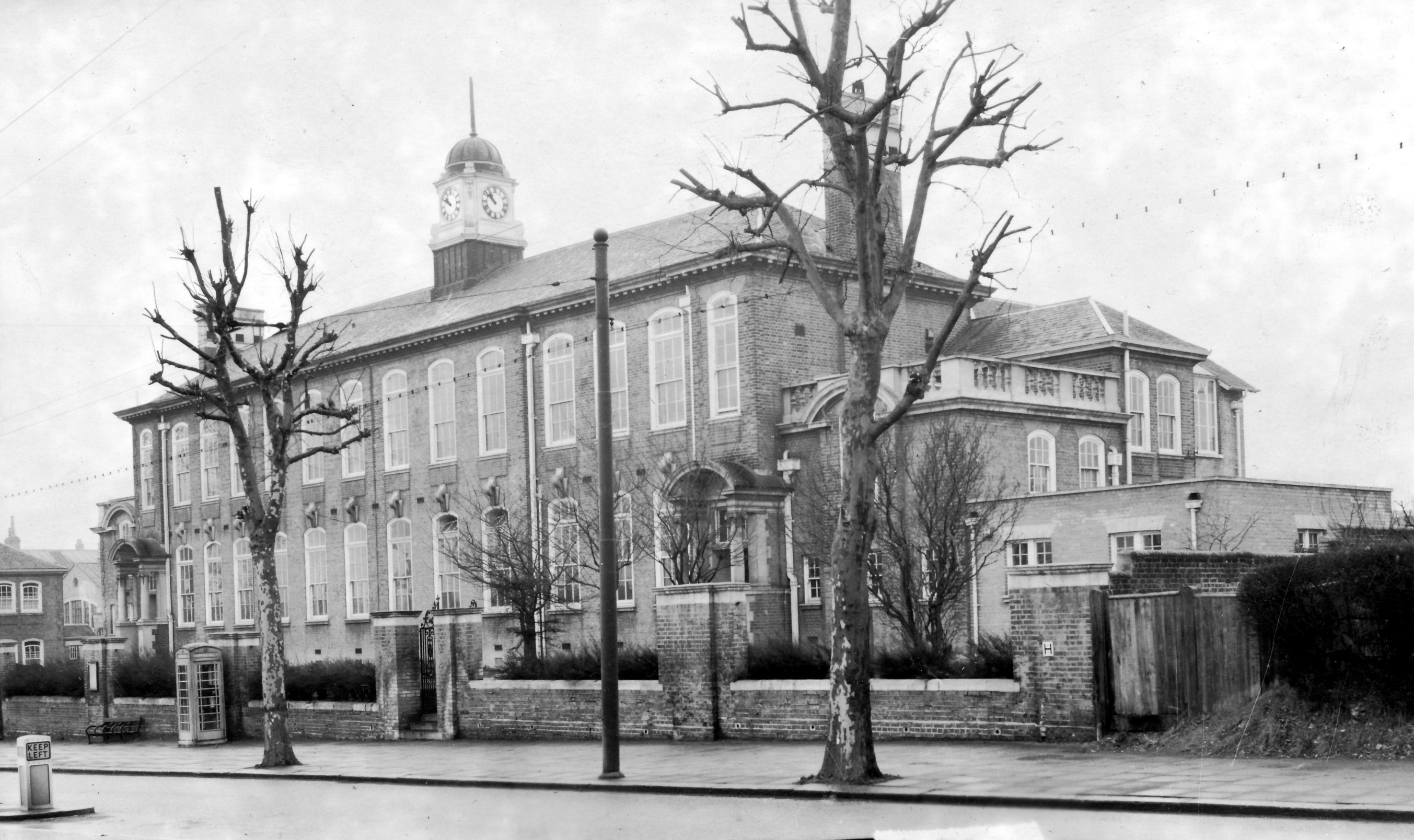
The County School |
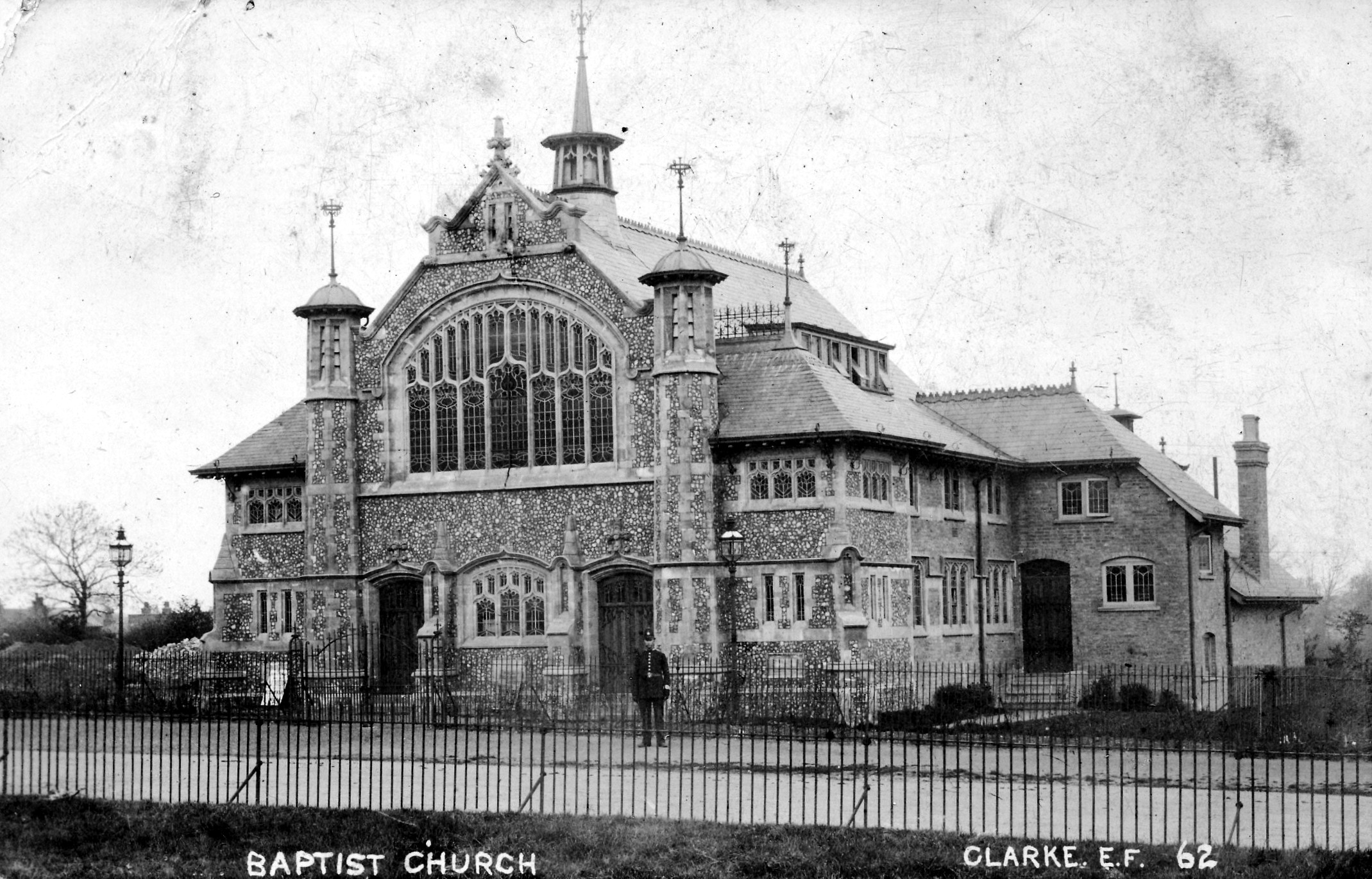
East Finchley Baptist Church |
East Finchley is one of London’s northern suburbs,
and its High Street forms part of the Great North Road. This road had at one
time associations with Dick Turpin, and in my boyhood there was an old tree,
known as Turpin’s Oak, which was supposed to have sheltered the famous
highwayman. He also found his way into the school song of the Finchley County
School (which I attended 1921 - 24). One of its verses ran: -
Where
once Dick Turpin plied his trade,
And nightly held the northern way.
Now
fancy spreads her azure wing
And
science holds majestic sway.
The
wisdom of the mighty dead,
The
love of ages passed away
Are
with time’s latest triumphs wed,
And our heritage today.
Some eight years later, when I entered Spurgeon’s
college, I was one day playing tunes at random on the common room piano, and
happened to play the school song. Soon afterwards one of the seniors came down to
ask who was playing, as it turned out that he also was in the same school.
It is customary, in memoirs of this nature, to give
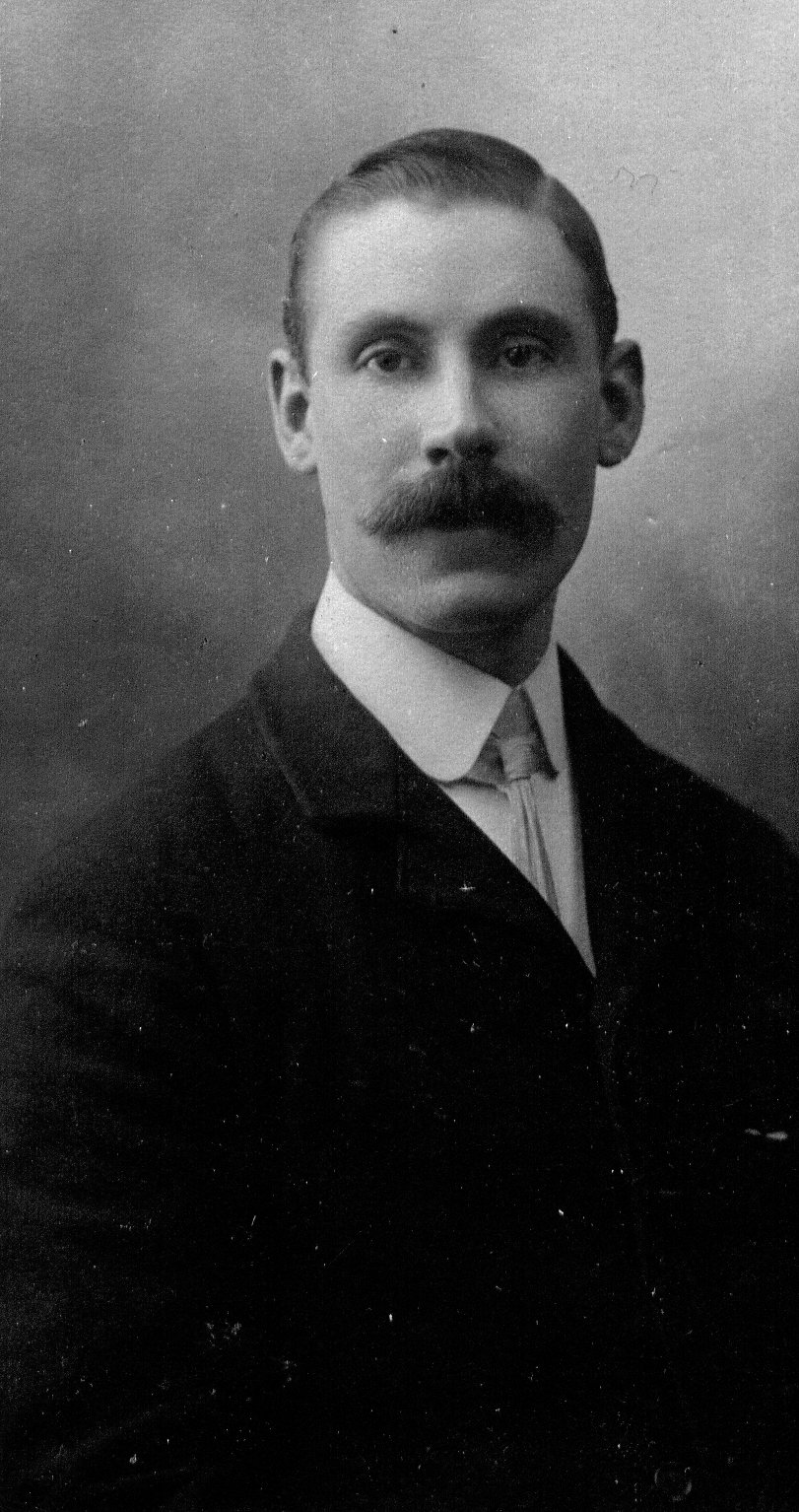
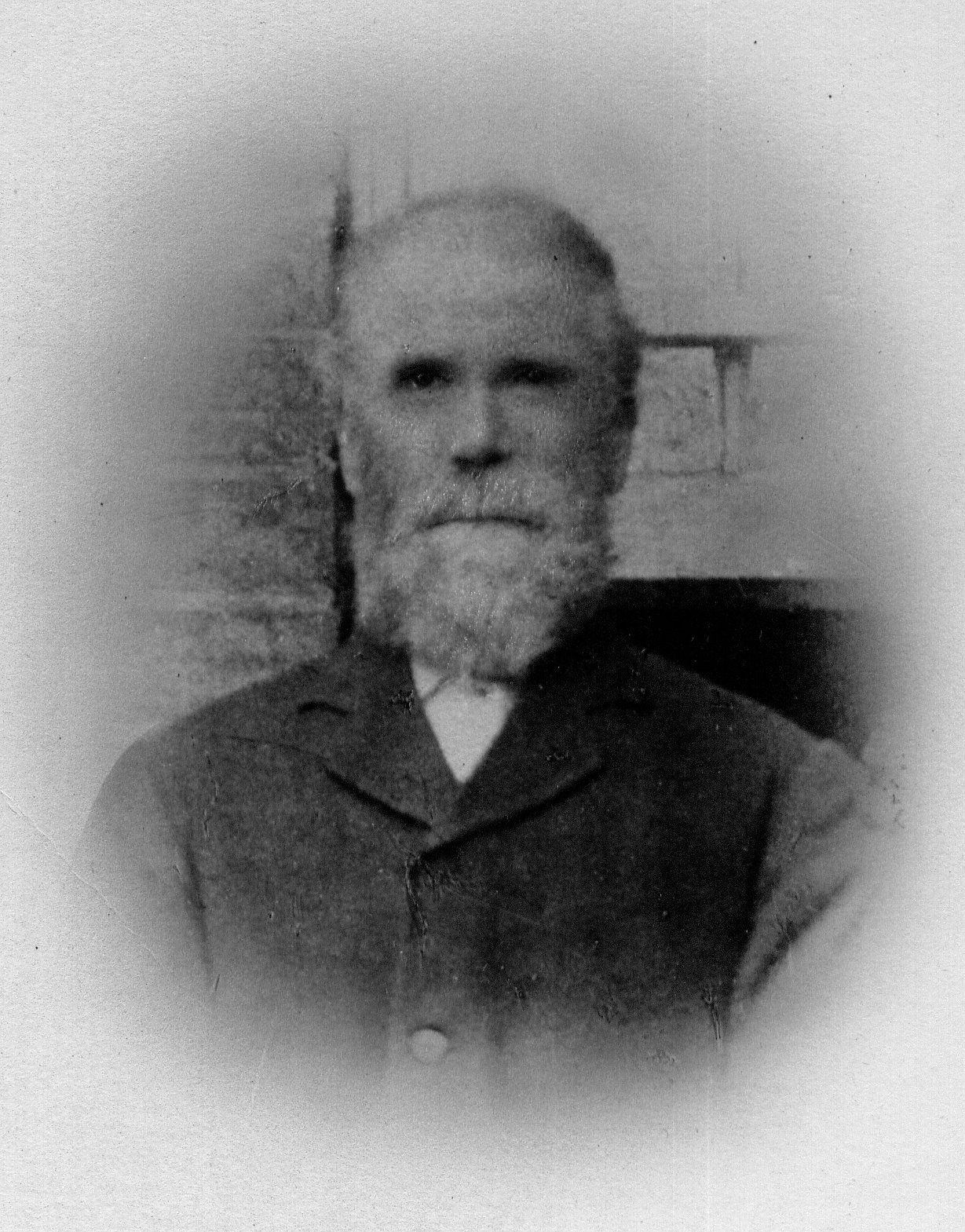
some account of one’s parentage. My father, Henry James Harris, was born in
Stony Stratford, Bucks, a historic town situated on the Roman road, Watling
Street. His father Henry Britten Harris was a leather worker at the Wolverton
railway carriage works. In spite of being exceedingly deaf, he was widely
respected in the area, a Deacon in the Baptist Church, and an acceptable lay
preacher, and secretary of the Lay Preachers Association[1].
My father was apprenticed[2] to
the printer in the town, Mr B. Bridgeman, and it was to him that the anecdote
on page 5 of “This Is Your Life” applies. On completing his training, my father
went to London, to work for the firm of Eyre and Spottiswood, the King’s
Printers, in Fetter Lane, off Fleet Street.
|
|
|
|
|
H
J Harris (ca 1905) |
H
B Harris (ca 1900) |
Matilda
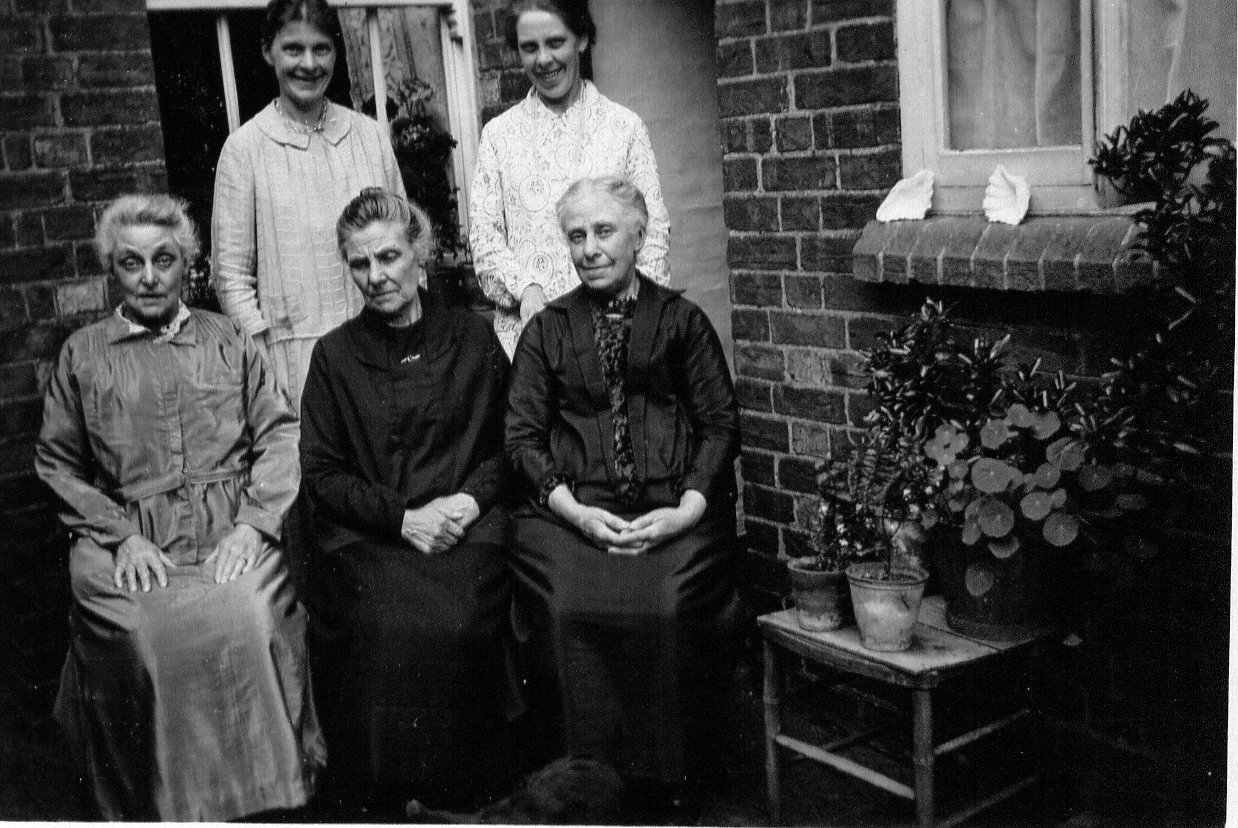
Harris (seated centre, with her daughters Emma and Edie behind) ca 1915 |
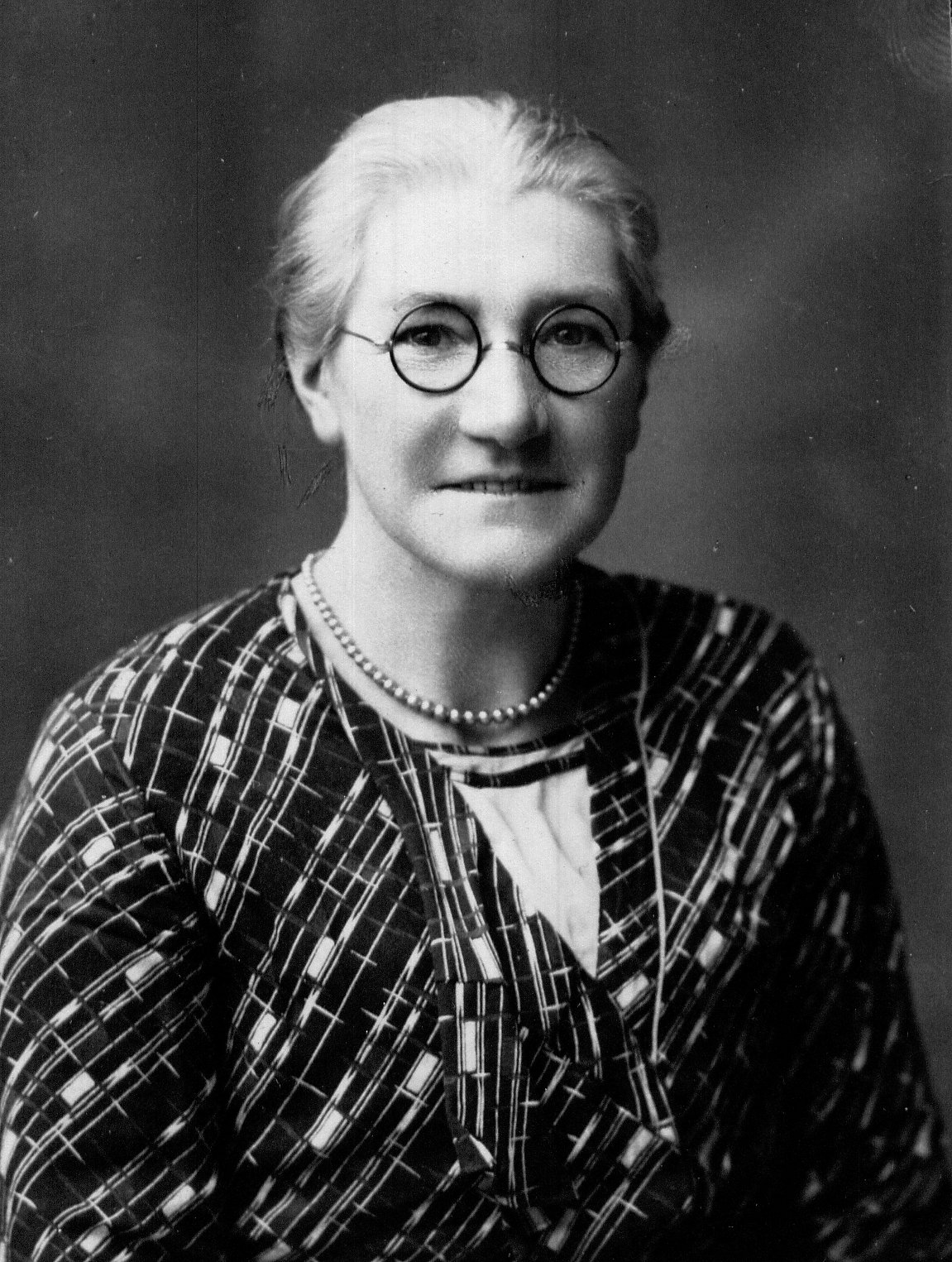
My mother, Mabel Lillian Moores,
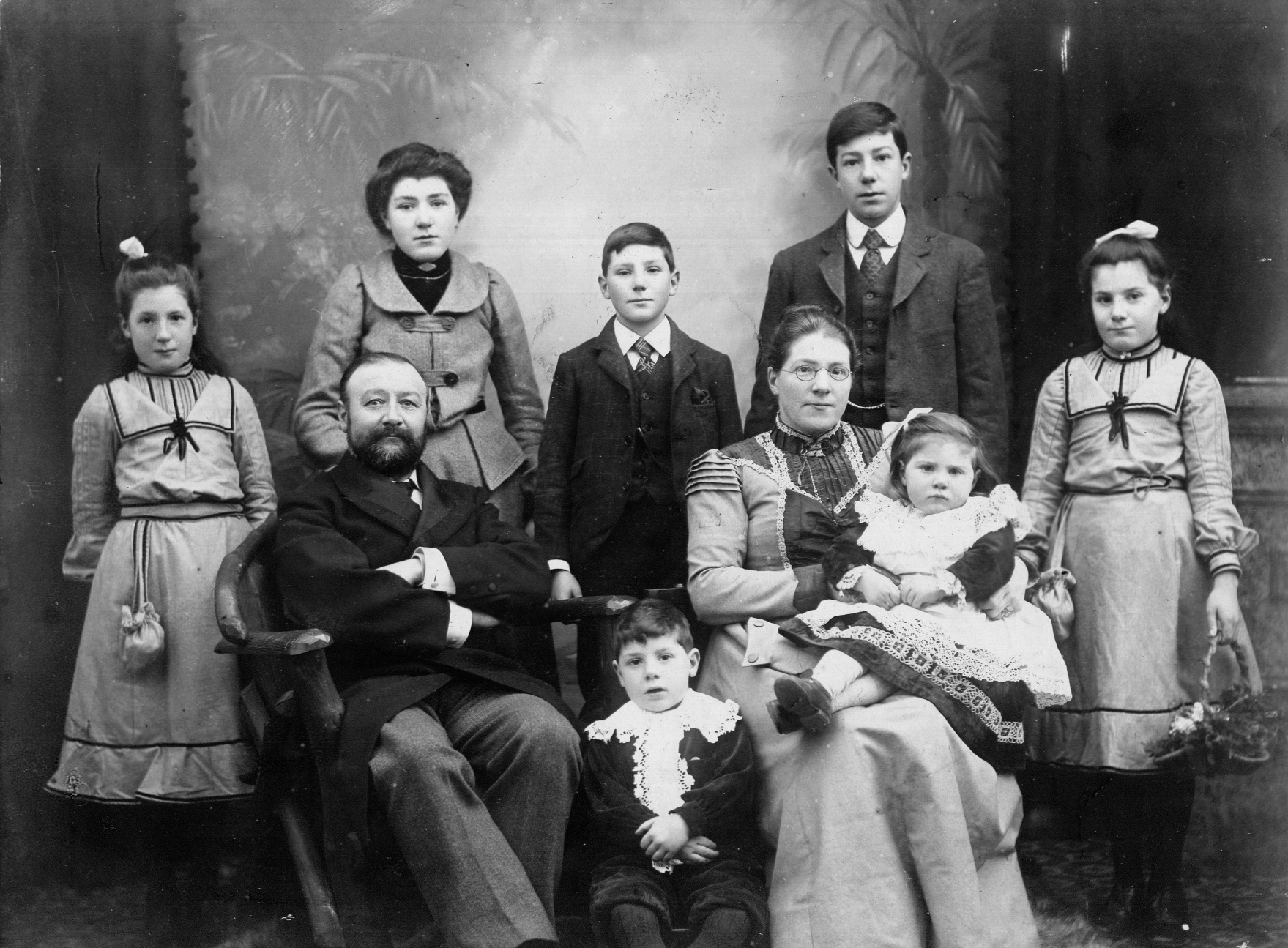
was the oldest of eight children born to Thomas Walter Moores[3]
and his wife, Lillian Garland Birch. My Grandfather was a grocer by trade, in
Norwood Green, Southall. And about the time I was born[4],
he emigrated to Canada, attracted by the offer of land
at cheap rate, and eventually took his wife and all the rest of the family with
him. (My Aunt Olive, in her autobiography, has written some of the hardships
that they endured). My mother was left in England, occupied in domestic service
in Finchley. Here she and my Father met, and they were married in Teddington on
Dec. 24th, 1907. They lived first in a flat in the High Street, and later in
East End Road. My father’s two sisters, Emma and Edith, never married, so all
my first cousins are Canadians.
|
|
|
|
M
L Harris nee Moores, ca 1910 |
T
W and L G Moores and their children, ca 1901 (Mabel
standing 2nd from left, Olive on her mothers knee) |
The following anecdote is not exactly a memoir, as it
happened when I was too young to know anything about it. My mother took me, a babe
in her arms, to visit her aunt, my Grandfather’s sister, Emily Moores, who lived in Brixton. She in turn took us to visit
a friend of hers, a Mrs. Newell, who kept a “College House” (in the days before
Spurgeon’s College was residential). We were sitting, presumably, in the
basement of this tall house, when one of the students came down the stairs, and
was introduced to me. His name was Harris Sanders, and he took me in his arms
and went upstairs to show me to his fellow students. “Look”, he said, “a little
Harris!”
But I do remember periodic visits to my mother’s
cousin, Nesta Birch, who lived in a rather grand
house in Teddington. She was a music teacher in a school at Twickenham, and I
recall the grand piano she had; and I was intrigued, as a boy, by the speaking
tubes that connected the living rooms with the “servants’ quarters” below. I
also recall visits to other relatives: my grandfather’s sister Annie Moores, in domestic service in Chingford; another of his
sisters, Louie (married to an old soldier, Ebenezer Wiggs)
at Chatham; and a sister - in - law, Emma and her family, in Lambeth.
|
|
|
|
|
|
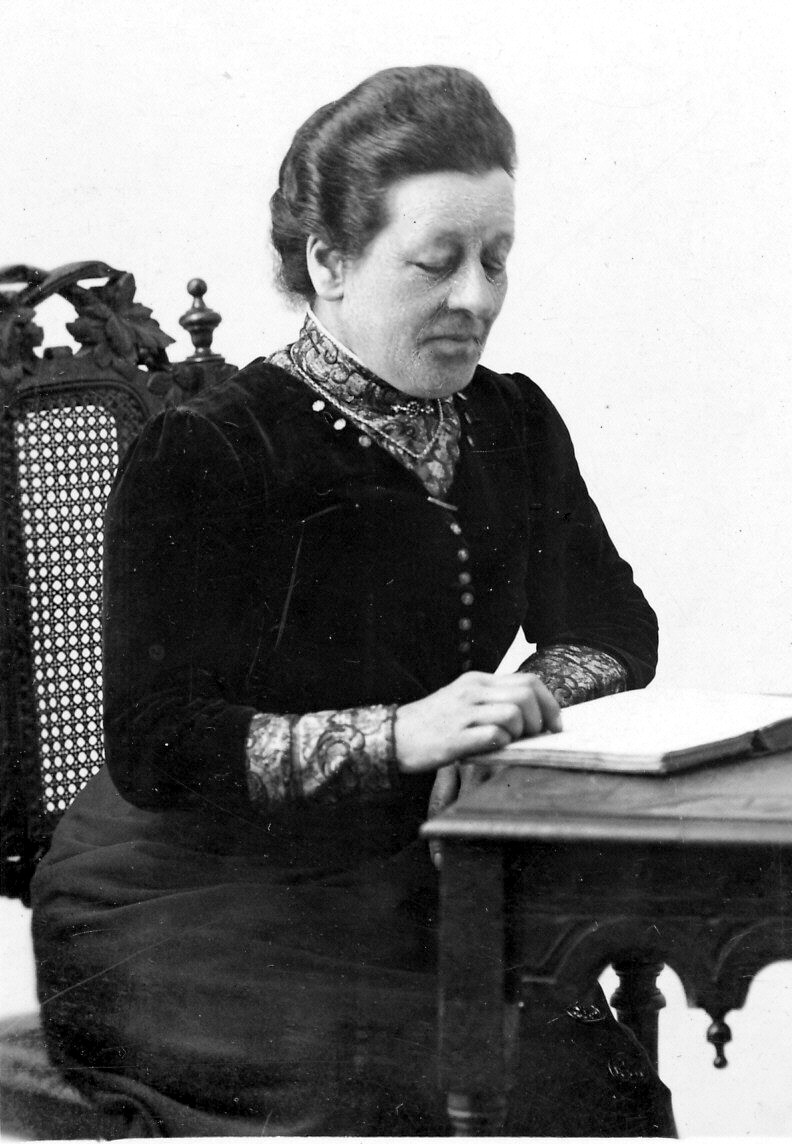
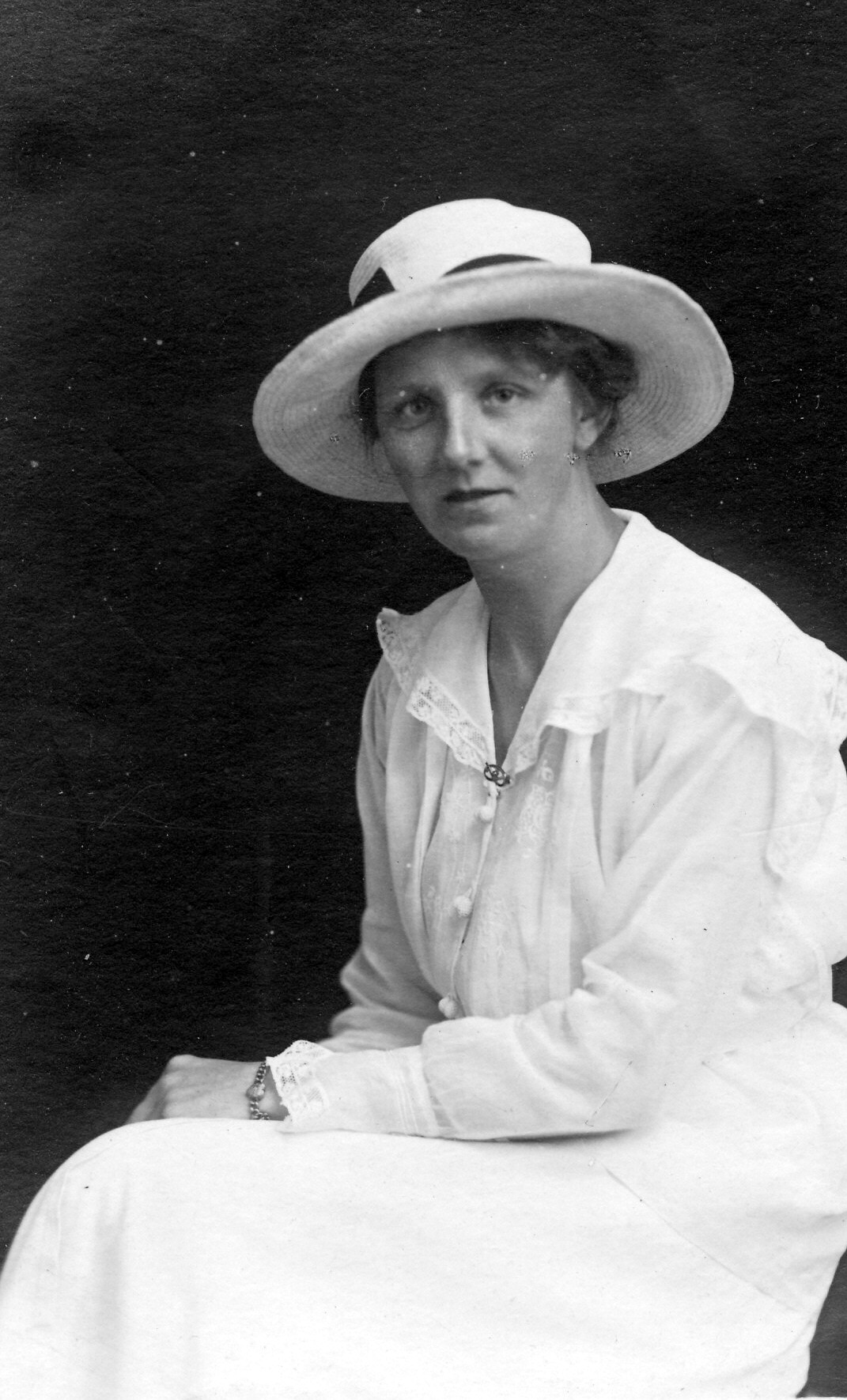
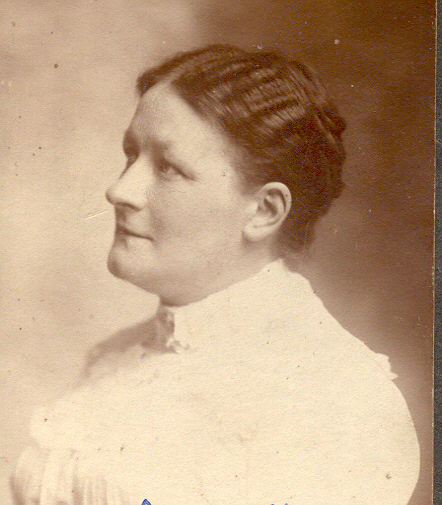
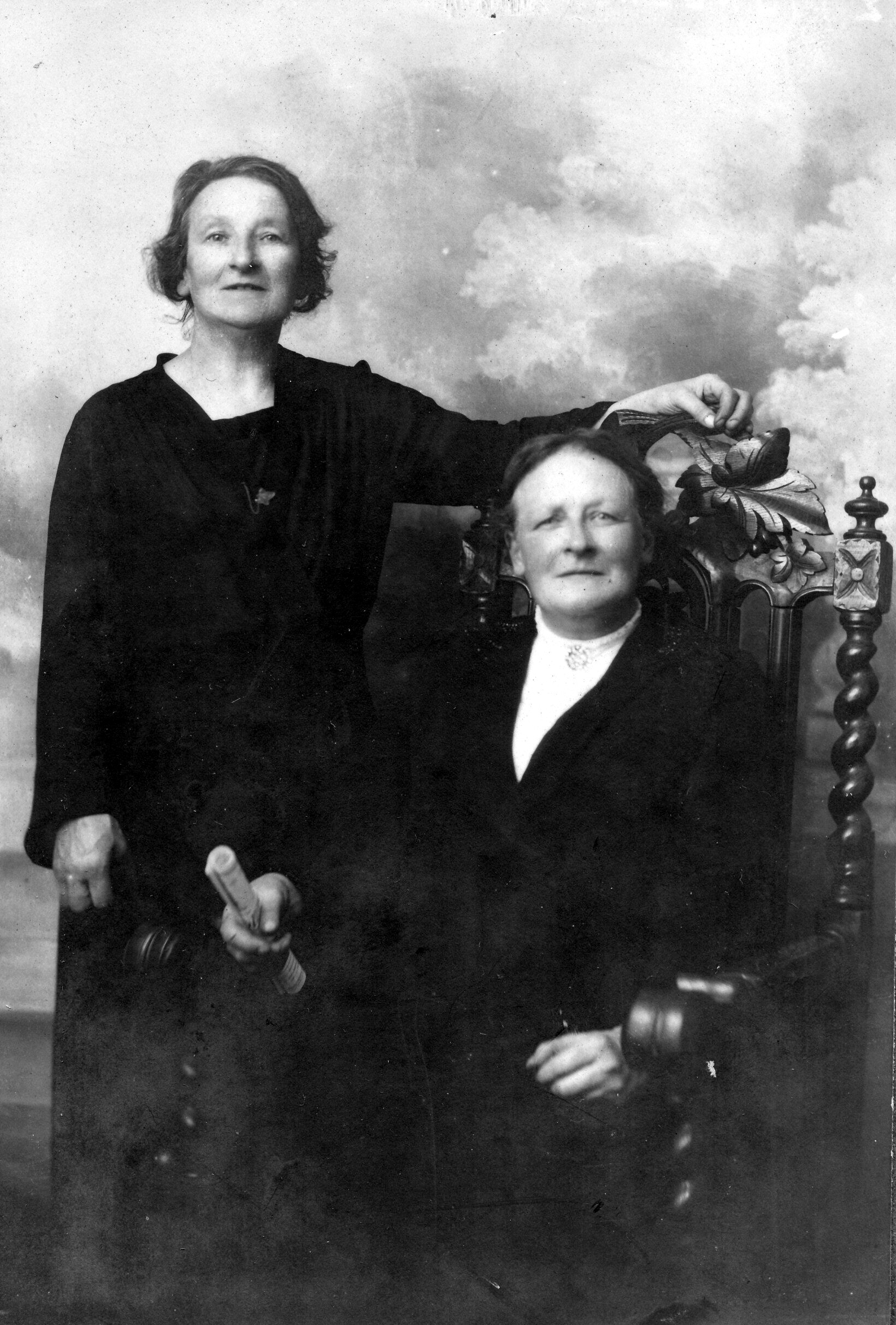
Emily
Moores, ca 1910 |
Nesta Birch, ca 1918 |
Annie
Moores, date unknown |
Louie
Wiggs, seated, with Annie Moores,
ca 1920 |
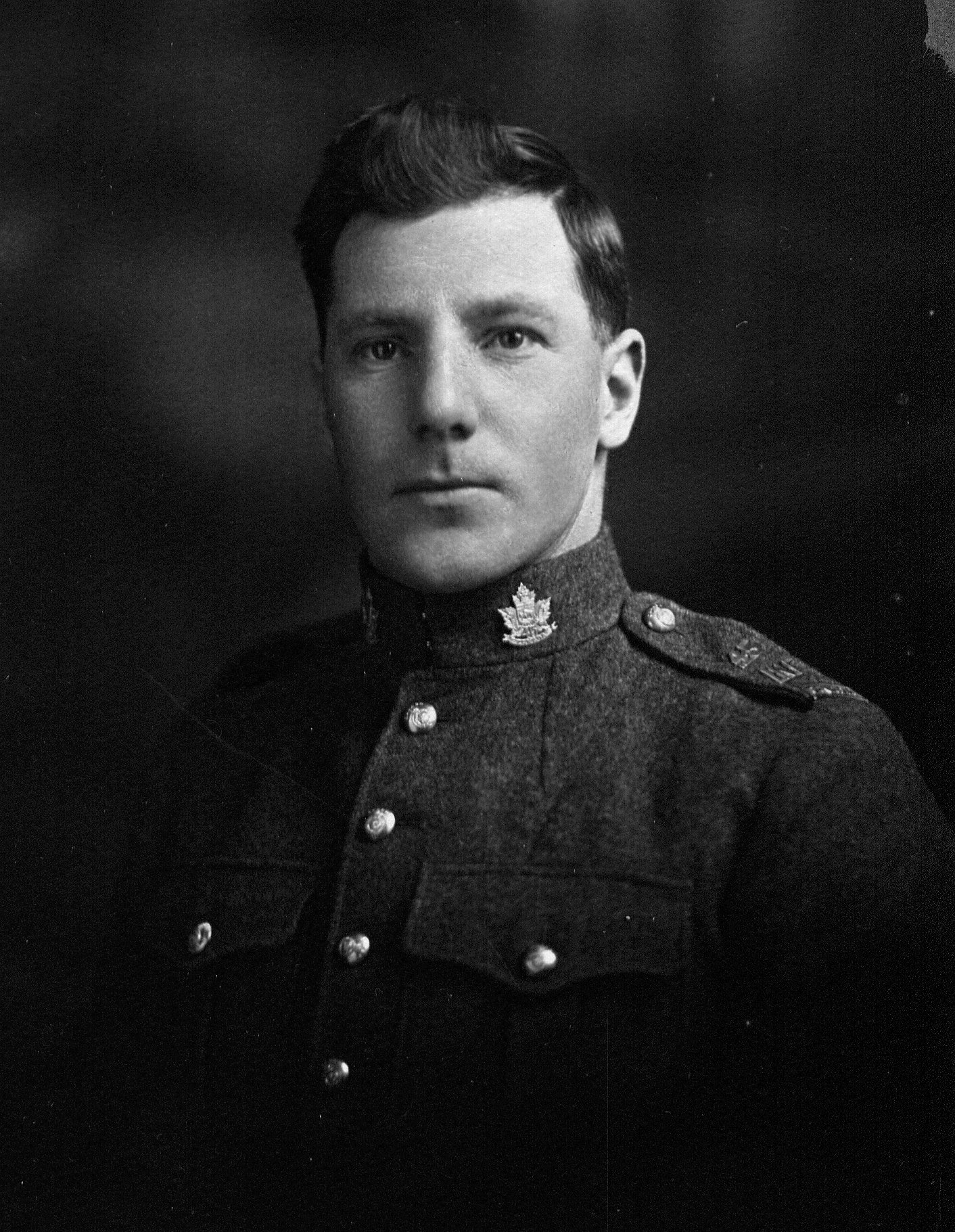 My
memories of the Great War (1914-18) include being out in an air raid, and
especially the visit of two of my Canadian uncles, Eustace (pictured, ca 1915) and Cyril. I can in
my imagination see them now, in their smart uniforms, as they stood their
rifles in the corner of the room. They brought with them a card game called
“proverbs”, which I played and played[5],
until the words were firmly imprinted on my mind, and which I have now given to
Cyril’s son David. Sadly, Eustace was killed in action. My father was called up
in 1916, and served in France. My other recollection is of coming out of junior
school on Nov. 11th, 1918, and hearing the bells ringing and seeing the bunting
everywhere, as the Armistice was celebrated.
My
memories of the Great War (1914-18) include being out in an air raid, and
especially the visit of two of my Canadian uncles, Eustace (pictured, ca 1915) and Cyril. I can in
my imagination see them now, in their smart uniforms, as they stood their
rifles in the corner of the room. They brought with them a card game called
“proverbs”, which I played and played[5],
until the words were firmly imprinted on my mind, and which I have now given to
Cyril’s son David. Sadly, Eustace was killed in action. My father was called up
in 1916, and served in France. My other recollection is of coming out of junior
school on Nov. 11th, 1918, and hearing the bells ringing and seeing the bunting
everywhere, as the Armistice was celebrated.
I well remember a visit to the mint - a school outing.
We were, of course, locked in as we entered, and then were shown every process
from start to finish. My recollection of the London Underground in those days
is of carriages with trellis - like gates, and a conductor in each carriage,
who had to fasten his gate, then ring a bell to the
next carriage, and so on, before the train could start. I also recall steam
trains on the City and South London section - the smoke presumably going
through ventilation shafts.
In 1919 the country was hit by a flu epidemic.
Perhaps it was the first attack of its kind. At any rate, modern medicines were
not available then. My father’s younger sister Edith was then in domestic
service at Highgate. And I recall walking along the main road to visit her, and
counting the number of funeral processions that I met (the London Boroughs of
Islington and St. Pancras had cemeteries at East Finchley). I have now
forgotten the number, but I feel sure it ran into double figures. They were
horse drawn carriages in those days.
Holidays were chiefly a day out at the seaside
(Southend or Brighton); or a longer stay with my Grandparents at Stony
Stratford, where the chief interest for me was the mill race at Passenham Mill, or the “iron trunk” carrying the Grand
Union Canal over the River Ouse, or the locks at Cosgrove. I was to learn a
great deal more about this fascinating town later on. There was a special
holiday in the Isle of Wight, which the next paragraph will explain.
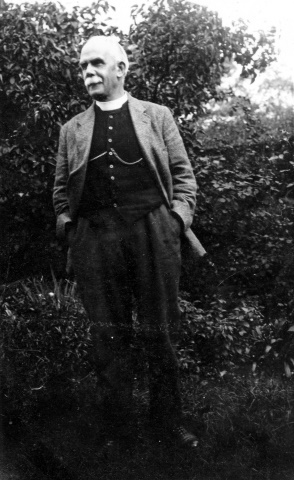
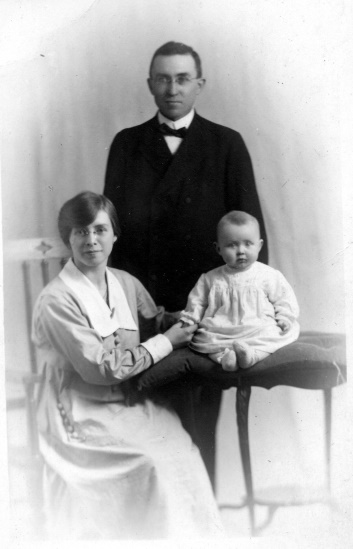
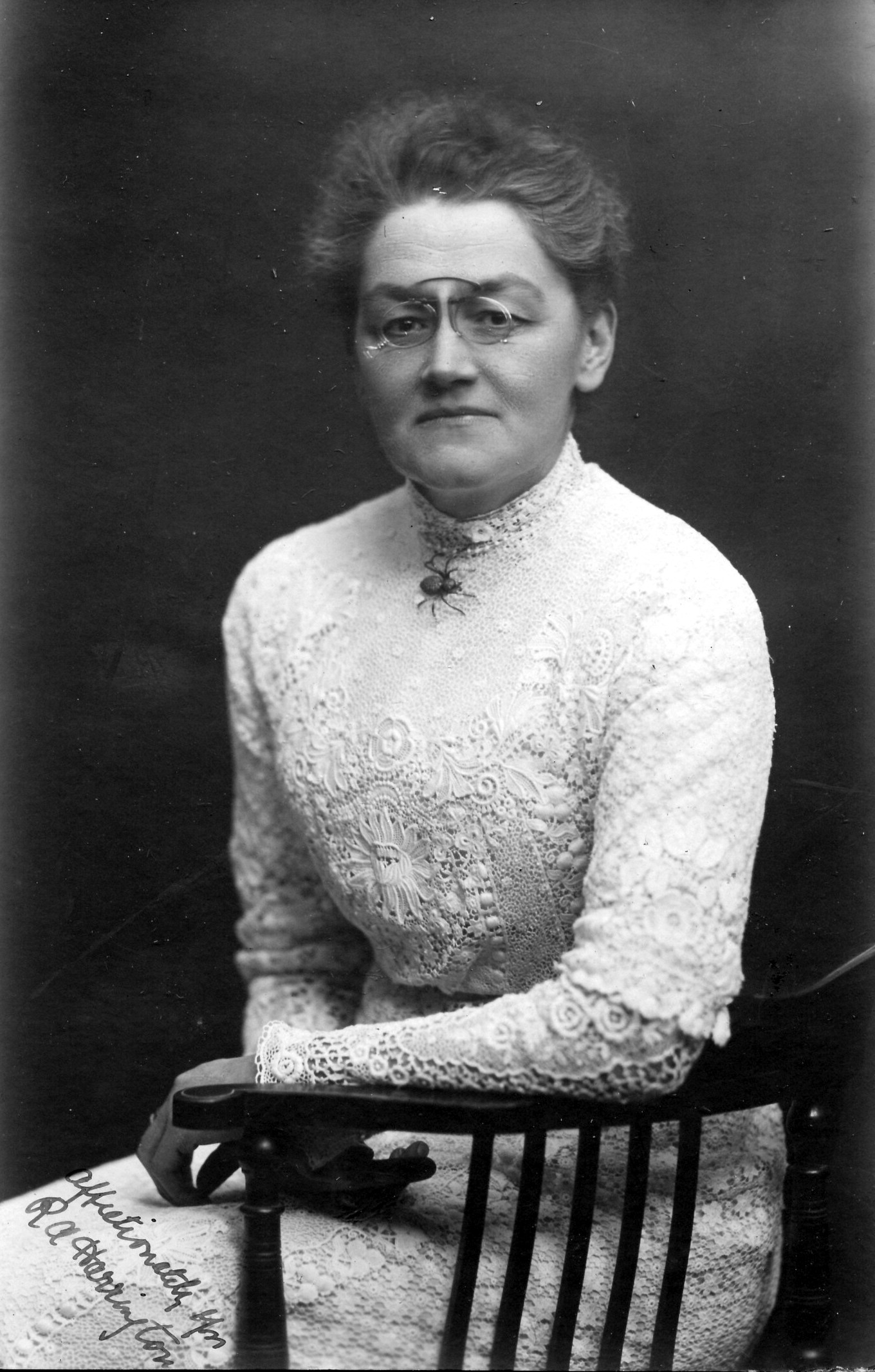 East
Finchley Baptist Church, in Creighton Avenue, was our spiritual home. It was a
fairly new cause, judged by the fact that a general purpose building had been
erected, with a gallery on three sides, and sliding screens underneath the
galleries to form classrooms. A more modern church was later built alongside.
The minister was John James Bristow (pictured),
who had been trained at Spurgeon’s
College, and East Finchley was his one and only church. My parents’ particular
friends were Mr. and Mrs. Blakey, and their son Don remains my friend of
longest standing. The Sunday school superintendent was Mr. Starke, whose
younger daughter Muriel later served with the Baptist Missionary Society in
India. Sunday School Anniversary was always a memorable occasion, when the
usual choir area was enlarged, and children and choir together learned special
music. Under Mr. Ackhurst it was usually the music of
W. H. Jude. There was in the church a lady of some influence named Miss
Harrington (pictured), who was the
owner of a sweet shop in Holloway. She was interested in many good causes, in
many ways a typical “lady bountiful”. It so happened that she knew some Belgian
missionaries named Savels (pictured) who were anxious to return to the Belgian Congo, but
hesitated to take with them their 6-month old daughter Marjorie. Miss
Harrington volunteered to be responsible for her, but with no experience of
dealing with so young a child, she asked my mother to look after her. Marjorie
was with us for 18 months, and it was during this period that Miss Harrington
made available to us her house at Seaview, in the Isle of Wight, I think for a
fortnight. When Marjorie was 2 years old, she went to live with Miss
Harrington, until her parents eventually reclaimed her.
East
Finchley Baptist Church, in Creighton Avenue, was our spiritual home. It was a
fairly new cause, judged by the fact that a general purpose building had been
erected, with a gallery on three sides, and sliding screens underneath the
galleries to form classrooms. A more modern church was later built alongside.
The minister was John James Bristow (pictured),
who had been trained at Spurgeon’s
College, and East Finchley was his one and only church. My parents’ particular
friends were Mr. and Mrs. Blakey, and their son Don remains my friend of
longest standing. The Sunday school superintendent was Mr. Starke, whose
younger daughter Muriel later served with the Baptist Missionary Society in
India. Sunday School Anniversary was always a memorable occasion, when the
usual choir area was enlarged, and children and choir together learned special
music. Under Mr. Ackhurst it was usually the music of
W. H. Jude. There was in the church a lady of some influence named Miss
Harrington (pictured), who was the
owner of a sweet shop in Holloway. She was interested in many good causes, in
many ways a typical “lady bountiful”. It so happened that she knew some Belgian
missionaries named Savels (pictured) who were anxious to return to the Belgian Congo, but
hesitated to take with them their 6-month old daughter Marjorie. Miss
Harrington volunteered to be responsible for her, but with no experience of
dealing with so young a child, she asked my mother to look after her. Marjorie
was with us for 18 months, and it was during this period that Miss Harrington
made available to us her house at Seaview, in the Isle of Wight, I think for a
fortnight. When Marjorie was 2 years old, she went to live with Miss
Harrington, until her parents eventually reclaimed her.
It was early in 1924 that a letter arrived after my
father had gone to work. It intrigued me, because it was from the printer at
Stony Stratford, but I had to contain my curiosity until the evening when my
father came home. It turned out to be an offer to buy the printing business
where he had been apprenticed. Mr. Bridgeman, on his retirement, had sold the
printing business to Mr. George Barlow, keeping the stationery shop at the
front for his daughter Ethel to run. At the same time he asked Mr. Barlow, when
he retired, to offer the business in the first instance to my father. This time
had now arrived. After some consideration, my father decided to accept[6]; I
think he had had enough of the stress of London life. So he went and took up
the country business early in May, and my mother and I followed on the 16th of
June. At 14 years of age, it marked a new stage in my life.
Click
here to continue to the next “chimney”, or to return
to the title page.